Market Intelligence Study: 986112312, 930460523, 22862022, 960086336, 972573009, 8173267564

The Market Intelligence Study focusing on identifiers such as 986112312 and 930460523 provides a structured analysis of consumer behavior patterns. It highlights the necessity for businesses to adapt their strategies based on these insights. The emphasis on predictive analytics and data visualization reveals potential shifts in market dynamics. Understanding these elements may be crucial for companies seeking to maintain a competitive edge. What specific trends could emerge from this analysis?
Overview of Identifiers
Identifiers serve as critical tools for categorizing and differentiating entities within various contexts, including markets, products, and data sets.
Their significance lies in enabling effective data categorization, ensuring clarity in identification and retrieval processes.
Data Analysis and Insights
The role of identifiers extends beyond mere categorization; they are integral to effective data analysis and the extraction of insights.
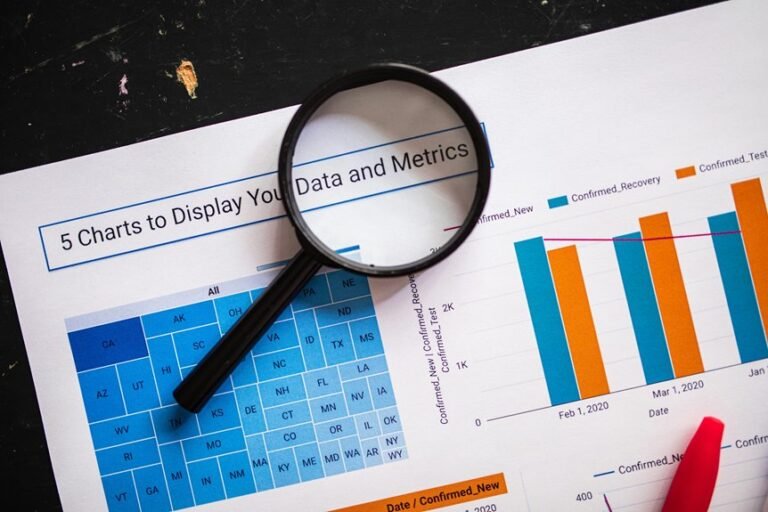
Utilizing data visualization techniques allows for clearer interpretation of complex datasets, while predictive analytics offers foresight into trends and potential outcomes.
Together, these methodologies enhance the decision-making process, empowering stakeholders to leverage data-driven insights for strategic initiatives and informed action.
Implications for Business Strategy
How can organizations effectively translate data-driven insights into actionable business strategies?
By leveraging customer segmentation, firms can enhance market positioning and achieve a competitive advantage.
Strategic alignment ensures that initiatives support organizational goals, while operational efficiency minimizes costs.
Additionally, robust risk management practices help organizations navigate uncertainties, ultimately fostering sustainable growth and resilience in a dynamic marketplace.
Future Trends and Predictions
What factors will shape the future landscape of business intelligence?
Emerging technologies will enhance data analysis capabilities, while evolving market dynamics will influence strategic decisions.
Shifts in consumer behavior and economic indicators will further dictate organizational responses.
Additionally, the competitive landscape will require adaptability to global trends, ultimately fostering a more informed approach to business intelligence that prioritizes agility and foresight.
Conclusion
In conclusion, the Market Intelligence Study underscores the significance of utilizing specific identifiers to drive data-driven decision-making. For instance, a hypothetical retail company leveraging the identifier 930460523 could analyze consumer purchasing patterns, enabling targeted marketing campaigns that enhance customer engagement and sales. By embracing predictive analytics and data visualization, businesses can better navigate market dynamics, ultimately positioning themselves for sustainable growth in a competitive environment. Such strategic alignment is crucial for adapting to evolving consumer preferences and industry trends.